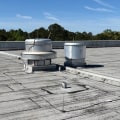
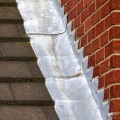
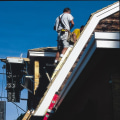
Roof flashing serves as a critical water barrier at vulnerable intersectionpoints. Over time, this essential component can deteriorate due toweather exposure, shifting structures, and material fatigue. Homeownersoften overlook failing flashing until water damage becomes evidentinside the home. Recognizing early warning signs prevents costlystructural repairs and extends overall roof lifespan. The distinctionbetween normal weathering and problematic deterioration requiresspecific knowledge of flashing performance indicators.
The Critical Role of Roof Flashing in Water Management
The sentinel of any roofing system, flashing serves as the primarydefense against water infiltration. This essential component createswatertight seals around vulnerable roof areas, including chimneys,vents, skylights, and joints where roofing materials meet verticalsurfaces.
Typically fabricated from durable metals, flashing directs rainwaterdown the roof slope and into gutters rather than allowing it topenetrate beneath the roofing materials. This redirection preventsmoisture from compromising the structural integrity of roof decking,rafters, and interior components. Properly installed and maintainedflashing systems considerably reduce the risk of leaks, rot, and moldformation—issues that can lead to costly structural repairs andpotential health hazards. As part of a thorough water managementstrategy, flashing works in concert with other roofing elements toguarantee long-term protection against water damage.
Signs of Aging and Damaged Flashing on Your Roof
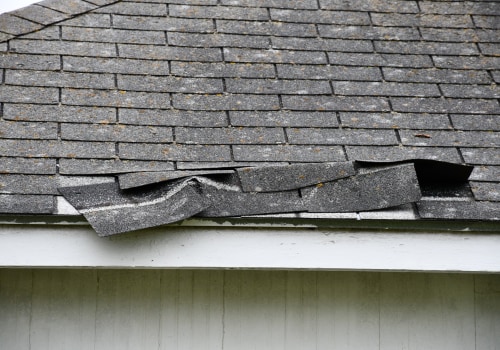
Most homeowners remain unaware of deteriorating roof flashing untilwater damage appears inside their homes. Visible indicators includerust, corrosion, holes, punctures, bends, cracks, or missing segmentsthat compromise flashing's water-repelling functionality. Interior water stains, leaks during rainfall, and mold growth on fascia boards signalpotential flashing failure.
Environmental factors accelerate degradation—membrane shrinkagecreates pressure points, UV radiation deteriorates materials, whiletemperature fluctuations cause expansion and contraction stress.Wildlife may physically damage or dislodge flashing components.
Aging manifests as material degradation, fading, loosening joints,rust formation at connection points, and sealant deterioration. Regular professional inspections are essential for early identification of these issues, preventing costly structural damage. Prompt repair intervention is considerably more economical than addressing extensive water damageresulting from prolonged flashing failure.
Understanding Different Flashing Materials and Their Lifespan
Roofing professionals recognize that selecting appropriate flashingmaterials greatly impacts a roof's durability and performance over time. Different materials offer varying advantages: aluminum provideslightweight, cost-effective solutions but requires coating when usedwith masonry; copper delivers superior longevity and develops anattractive patina; galvanized steel offers excellent corrosionresistance through its zinc coating; and rubber provides flexibility for specialized applications.
Material lifespan varies greatly—aluminum typically serves forseveral decades, while copper often outlasts other options.Environmental factors considerably influence durability: coastalproperties experience accelerated corrosion of galvanized steel due tosalt exposure; extreme weather conditions stress all materials; andtrapped moisture accelerates deterioration. Regular inspection remainsessential for extending flashing lifespan regardless of material type.Budget considerations and aesthetic preferences should factor intoselection, balancing initial cost against long-term performance.
Water Stains and Other Interior Warning Signs
Interior warning signs often provide the first indicators ofcompromised roof flashing that requires immediate attention. Waterstains manifesting as dark or discolored spots on ceilings and wallsnear roof joints typically signal flashing failures. These stainsfrequently appear around chimneys, skylights, and vents where flashingintegrity is critical.
Persistent damp odors and unusual musty smells indicate water seepage that may have already caused structural damage. Homeowners shouldinvestigate for accompanying signs including rotten wood, visible moldgrowth, or mildew—all symptoms of prolonged moisture exposure. Thepattern and location of discoloration can help professionals pinpointthe exact source of leaks.
Left unaddressed, these warning signs can lead to compromisedinsulation, resulting in increased energy costs and potential healthhazards from mold proliferation.
Common Problem Areas: Valleys, Chimneys, and Vents
Roof valleys serve as primary water channels and frequently developinadequate lapping or fastener penetration issues that manifest asstreaking or dampness along interior ceiling seams. Chimney flashingsoften fail due to thermal expansion, foundation settlement, or improperstep flashing installation, typically evidenced by water stains onadjacent interior walls. Vent collars and pipe boots require immediateattention when showing signs of cracking, material deterioration, ordisplaced sealing components, as these compromise the roof'swaterproofing integrity.
Valley Water Paths
Valleys, where two roof slopes meet, represent one of the mostvulnerable areas on any roofing system. These critical junctions channel significant water volume during precipitation, making proper flashingessential for preventing leakage.
In open valley systems, metal flashing directs water away from thejoint, while closed-cut valleys rely on overlapping shingles. Waternaturally follows the path of least resistance, which can compromiseimproperly lapped flashings. Temperature fluctuations cause expansionand contraction, potentially creating gaps where water can penetrate.
Regular inspections should focus on identifying improper fastenerplacement, inadequate lapping, and material degradation - particularlyafter storms or extreme weather events. Prevention includes usingcompatible, durable materials like copper (despite higher costs) andensuring professional installation that accounts for water flow dynamics and building settlement patterns.
Chimney Flash Failure
Chimneys represent a particularly vulnerable intersection on roofingsystems, where multiple components must work in harmony to maintainwaterproof integrity. Flashing failures at these junctures occur through various mechanisms, from improper initial installation to gradualdeterioration over time.
Weather elements accelerate degradation, with freeze-thaw cyclescausing metal flashing to pull away from masonry surfaces. Impropermaterial selection exacerbates these problems, particularly whenincompatible metals create galvanic corrosion. Signs of failure includewater stains on interior ceilings, rusted flashing components, ordeteriorated mortar joints between chimney and flashing.
Annual inspections allow for early intervention, preventing thecascade of costly damages that typically follow unaddressed leaks. Whendeterioration reaches advanced stages, complete reflashing becomesnecessary, as temporary repairs with caulking compounds provide onlyshort-term mitigation of symptoms rather than resolving underlyingstructural deficiencies.
Vent Collar Warning Signs
Among the most vulnerable components of a roofing system, ventcollars often exhibit distinct warning signs before complete failureoccurs. Leaking typically manifests around damaged or split rubbercollars, compromised by weather exposure or animal interference. Visualinspection may reveal cracks in the flashing or collar, while internalceiling stains indicate water infiltration.
Continuous UV exposure accelerates rubber degradation, creatingmicroscopic tears that expand over time. In spray foam insulated roofs,leaks may remain undetected longer, increasing potential structuraldamage to sheathing and framing. Inadequate installation compounds these issues, particularly when flashing pans lack proper shingle detailing.
Regular professional inspections can identify problems early,preventing costly repairs. Minor cracks can be temporarily sealed withroofing cement, though damaged collars ultimately require completereplacement with high-quality, weather-resistant materials.
DIY Inspection Techniques for Homeowners
Homeowners can conduct preliminary flashing inspections using simplevisual assessment techniques to identify degradation patterns andpotential failure points. Weather-related warning signs include ruststreaks on exterior walls, displaced flashing components followingstorms, or visible gaps between flashing and roofing materials. Interior indicators such as water stains on ceilings near chimneys, skylights,or wall intersections often signal compromised flashing that requiresprofessional evaluation or replacement.
Visual Assessment Basics
Regular visual assessment of your roof's flashing systems represents a critical maintenance practice that any property owner can perform.Equipping oneself with proper safety gear—including a stable ladder,non-slip footwear, gloves, and protective eyewear—ensures safeinspection procedures.
Utilize binoculars to examine hard-to-reach areas withoutcompromising safety. During inspection, maintain three points of contact with the roof structure at all times. Document findings methodicallywith detailed notes and photographic evidence for future reference.
Focus examination efforts on key vulnerability points: shingles,flashing installations, gutter systems, and chimney interfaces. Lookspecifically for separation between flashing and roof surfaces, material deterioration, and compromised sealants. Systematic documentationenables homeowners to track progressive deterioration, establish repairpriorities, and determine when professional intervention becomesnecessary.
Weather-Related Warning Signs
Weather conditions play a significant role in determining when roofflashing requires replacement or repair. Homeowners should inspect their roofs after severe storms, looking specifically for dents in vents orflashing components, which indicate potential compromise of the waterbarrier function.
The presence of asphalt granules in gutters following precipitationevents signals shingle deterioration that may expose flashing toadditional stress. High winds can dislodge flashing pieces entirely,necessitating immediate attention. Evidence of corrosion or rust onmetal flashing indicates long-term weather exposure has weakenedstructural integrity.
Internal leaks appearing near windows, skylights, or fireplaces often point to weather-damaged flashing. Particularly concerning are waterstains or mold on fascia boards proximate to flashing areas, as thesesymptoms suggest ongoing moisture intrusion through compromised flashing installations.
Interior Damage Indicators
Detecting failing roof flashing often begins inside the home, wheretelltale signs manifest before catastrophic damage occurs. Homeownersshould conduct regular visual inspections of interior spaces to identify water infiltration resulting from compromised flashing integrity. Focus examination on ceiling-wall junctions adjacent to roof penetrations and changeover areas.
- Water stains or discoloration on ceilings and walls, particularly near chimneys, skylights, and roof valleys
- Soft, deteriorating wood in attic rafters or ceiling joists when probed with a screwdriver
- Musty odors accompanied by visible mold growth in upper-level rooms
- Insulation saturation in attic spaces, often appearing compressed or discolored
- Unexplained increases in energy consumption due to compromised thermal barriers
These indicators warrant immediate professional assessment, asinterior damage typically represents advanced flashing failure requiring prompt remediation to prevent structural compromise.
When to Call a Professional Roofing Inspector
While homeowners can perform basic visual inspections of theirroofing systems, certain warning signs demand the expertise of aprofessional roofing inspector. Observable corrosion, missing flashing,interior water stains, or recurring leaks—particularly near flashpoints—necessitate professional assessment.
Certified inspectors should be consulted after severe weather events, prior to property sales, following roof work, when previous inspections identified potential issues, or when water intrusion appears.Professionals with credentials from InterNACHI, NRCIA, or Haagcertification can accurately identify improper installations, gapsbetween flashing and roof surfaces, physical damage, and structuralproblems that untrained observers might miss.
Professional assessment provides accurate diagnosis for targetedrepairs, documentation for insurance claims, and confirmation that allflashing meets code requirements—ultimately preventing costly secondarydamage.
Repair Options for Partially Damaged Flashing
Identifying and addressing partially damaged flashing presentshomeowners with several viable repair options before completereplacement becomes necessary. Localized repairs can effectively restore functionality while minimizing costs compared to full replacement.Professional roofers typically assess damage severity beforerecommending appropriate intervention methods.
- Clean and Seal Method - Removes debris and applies waterproof sealant to minor leaks
- Sectional Replacement - Substitutes only severely damaged portions with matching materials
- Mechanical Reattachment - Secures loose flashing using appropriate fasteners for the material type
- Flashing Tape Application - Provides temporary sealing for gaps until permanent repairs
- Specialized Sealants - Products like Flex Seal create weather-resistant barriers around vulnerable areas
Material selection impacts repair longevity, with copper offeringsuperior durability despite higher costs than galvanized alternatives.Professional installation guarantees proper overlap and secureattachment.
Complete Reflashing: Process, Costs, and Material Selection
When a roof requires complete reflashing, homeowners face amulti-step process that demands careful planning and execution. Theprocedure includes identifying problem areas, removing damaged flashing, preparing the roof surface, and installing new flashing with properoverlapping techniques.
Material selection greatly impacts performance and cost. Galvanizedsteel, aluminum, and copper vary in price and should be selected basedon compatibility with existing roofing materials, corrosion resistance,and regional climate conditions.
Costs typically range from $300-$1000+, influenced by materialchoice, roof complexity, and labor rates. Additional expenses mayinclude permit fees required by local authorities.
Post-installation quality assurance involves visual inspection, leaktesting, and interior checks to verify proper sealing and attachment.Professional verification offers additional peace of mind regarding
Proper roof flashing maintenance prevents costly water damage andstructural deterioration. Homeowners should conduct bi-annualinspections, focusing on corrosion, separation, and sealant failure.Professional assessment is recommended upon detecting water stains, mold growth, or visible flashing damage. Material selection duringreflashing should consider local climate conditions and compatibilitywith existing roofing components. Prompt intervention at early warningstages maximizes roof system longevity and preserves building envelopeintegrity.